


 Ancient Water Management
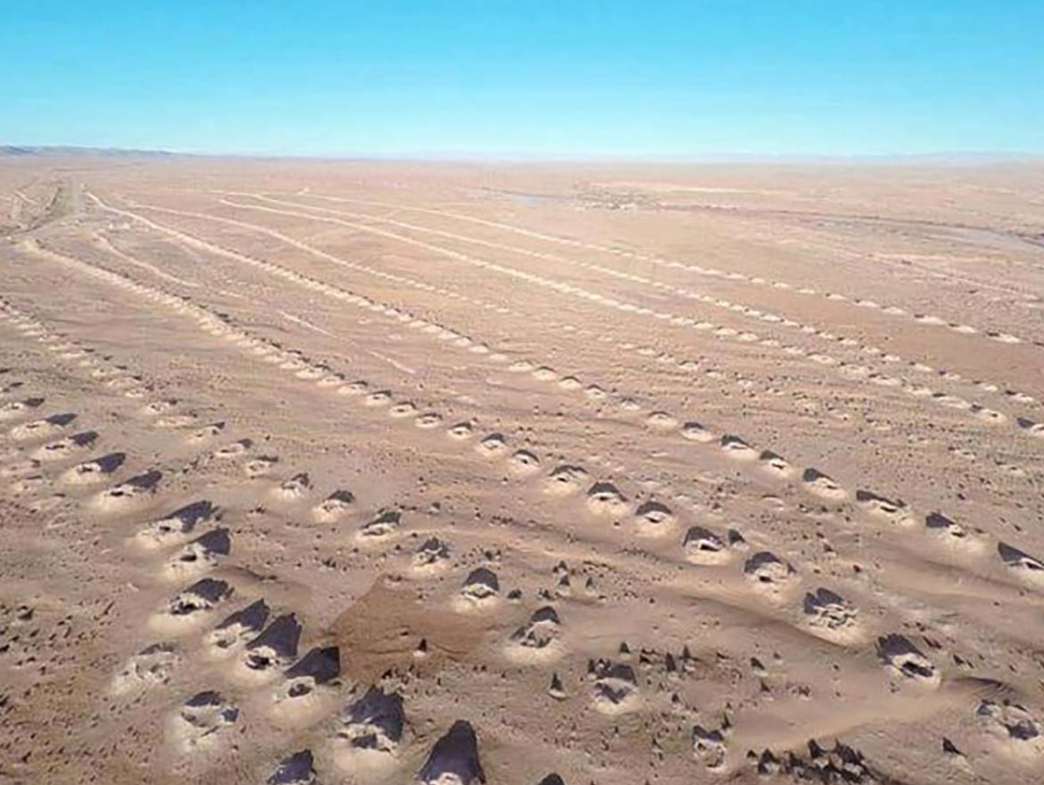
The survival of the Goulmima oasis depends on an extraordinary engineering system. Centuries ago, local communities created the Khattara. These underground aqueducts tap into elevated water tables near the mountains. By using low-gradient subterranean tunnels, the system moves water across miles using only gravity. This method completely prevents evaporation.
Surface Access Mounds
From above ground, the Khattara look like lines of circular dirt mounds. These unique shapes stretch across the dry desert plains. They are actually protective rings around deep vertical access shafts. Maintenance crews use these openings to clear out sand accumulations. For sustainable tourist sites nearby, explore the Ksar El Khorbat Tinjdad guide.
Communal Sharing Laws
When water reaches the oasis edge, it enters open surface canals. A traditional water master strictly regulates the distribution process. Each farming family receives a specific duration of water flow. They measure these shares using historical water clocks. This structure guarantees a fair system for the community.
Khattara Construction Process
- Locate the Water Table: Excavating a main source well near the mountain base.
- Dig the Low-Slope Tunnel: Tunneling underground to allow gravity-fed water flow.
- Create Vertical Shafts: Digging access vents at regular intervals for sand clearance.
- Connect Irrigation Canals: Directing the final surface water to individual family fields.
Educational Travel Value
Visiting these ancient irrigation lines offers a profound lesson in sustainability. It highlights the immense physical labor required to secure water historically. Modern deep motorized wells now threaten these fragile systems. Learning about the Khattara helps raise awareness about protecting Morocco’s vanishing desert history.