


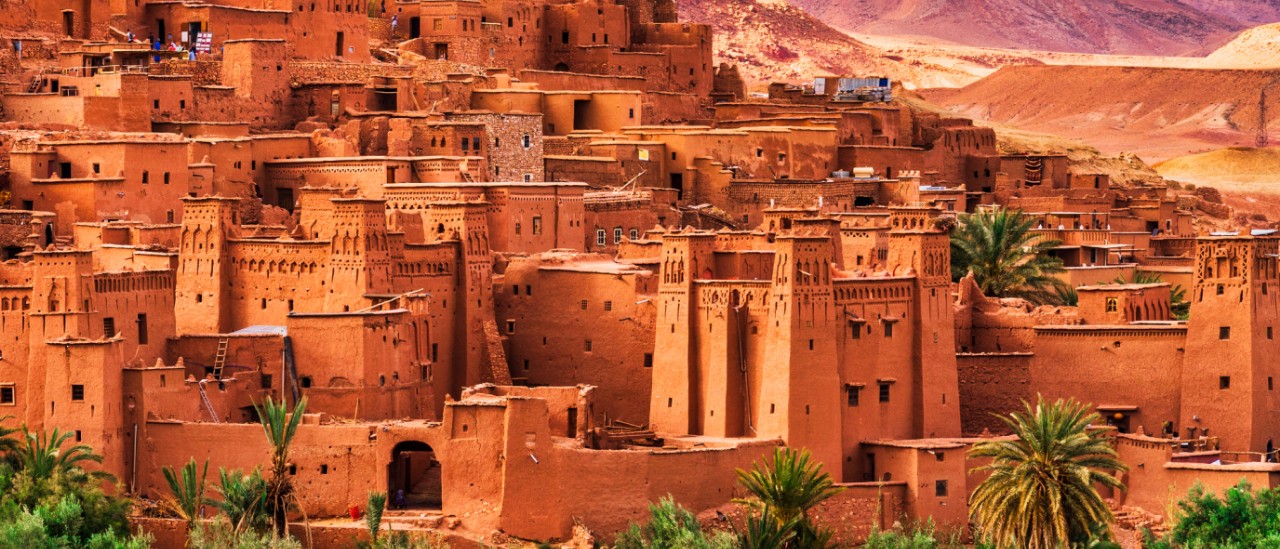
 Aït Benhaddou is a region of breathtaking architectural beauty. For instance, the majestic earthen clay towers and the ancient caravan route offer profoundly beautiful historical landscapes. However, these unique heritage environments are also physically fragile. Therefore, practicing responsible tourism is an essential duty today. In addition, mindful travel ensures that these vibrant historic communities are preserved for future generations.
In essence, being a mindful traveler in a historic site means making conscious choices. Consequently, you can easily minimize your physical impact on ancient structures. Meanwhile, you will also maximize your positive impact on the local preservation economy. Below, you will find practical steps on how to achieve sustainable and respectful travel during your journey.
1. Protecting Fragile Historical Ecosystems
Historic kasbahs are miraculous structures. Unfortunately, they currently face severe pressures from erosion and mass tourism. Furthermore, traditional earthen architecture relies on continuous, sustainable maintenance to sustain the buildings. As a result, protecting the site is a vital responsibility for every single visitor.
Conserve the Architecture: To begin with, earthen clay is a delicate material. Therefore, avoid leaning on walls, climbing on restricted parts, or carving initials into the surfaces.
Respect the Local Life: Secondly, kasbahs are not just pretty scenery. Instead, they are active homes belonging to local families. For this reason, avoid peering into private windows or blocking narrow pathways.
Manage Your Waste: Moreover, pollution is a major threat to these rural historic sites. Thus, always carry your trash with you and leave the pathways clean for the residents.
2. Supporting the True Local Economy
Moving on to the financial aspect, economic solidarity is a powerful pillar of responsible tourism. Specifically, you should ensure that your travel spend goes directly into local hands. Consequently, you help preserve traditional crafts and prevent corporate wealth extraction.
Choose Locally-Owned Accommodations: First, stay in family-run guest houses near the site. This is important because these establishments directly employ local families.
Hire Certified Local Guides: Next, if you want to explore ancient palaces, always hire certified guides from the immediate area. Not only do they offer unmatched historical expertise, but your money stays directly in the village.
Buy Directly from Cooperatives: Finally, souvenirs are a great way to support the community. However, you should seek out independent local artists for paintings or pottery. By doing so, you ensure that artisans receive fair pay.
3. Honoring and Preserving Cultural Heritage
In addition to environmental and economic care, preserving cultural identity is vital. Indeed, the heritage of the south is rooted in deep traditions of history and architecture. For that reason, approaching the local lifestyle with humility fosters meaningful cultural exchanges.
Dress and Act Respectfully: To start, the region is highly welcoming to international travelers. Nevertheless, wearing modest clothing shows deep respect for the local heritage.
Ask Before Taking Photos: Similarly, always ask for explicit permission before photographing local residents. This is especially true for the families living inside the walls. Ultimately, a warm conversation goes a long way.
Engage with Genuine Curiosity: In conclusion, take the time to learn the history behind the site. Furthermore, try to understand traditional building techniques with an open mind.
Mindful Travel Checklist for MeldanGo Explorers
To sum up, before you head out on your next cultural adventure, use this quick checklist to stay on track:
First, pack a reliable reusable bag to avoid needing single-use plastic while shopping at the stalls.
Second, book your stays through verified regional directories that champion authentic local services.
Third, keep plenty of small Moroccan Dirham (MAD) cash notes on hand to tip local service providers and craftsmen directly.
Finally, take nothing but photos and leave nothing but footprints behind.