


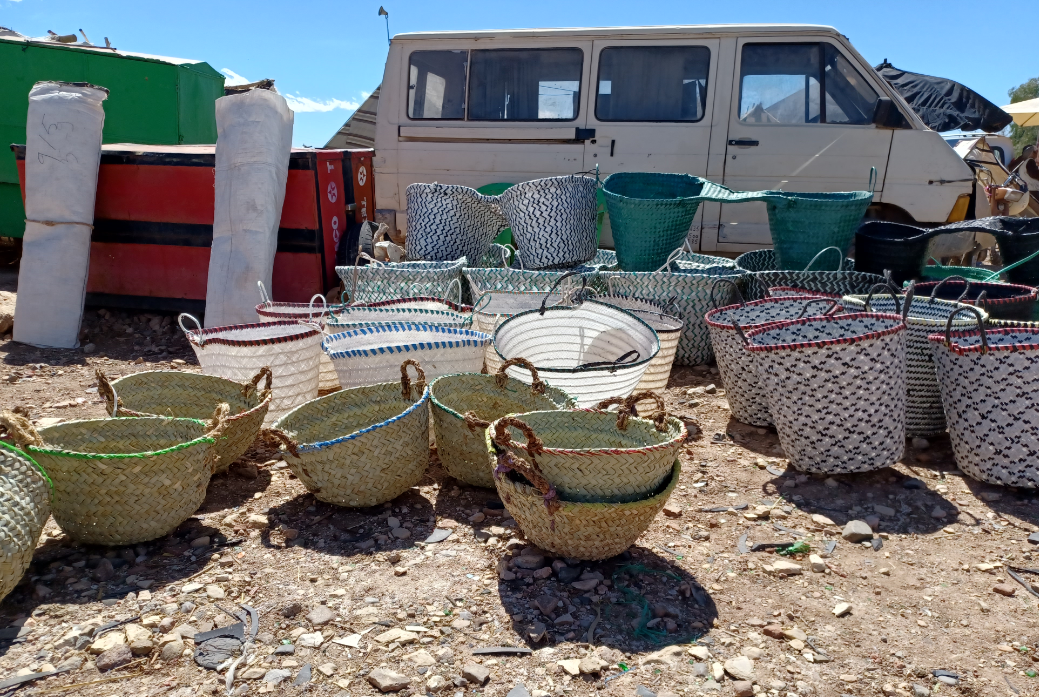
 For centuries, life in the desert and the valleys of Southern Morocco has revolved around a strict, rhythmic calendar. In a region where communities were historically separated by vast stretches of stone hamada and high mountain ridges, survival depended on a central meeting point.
That point was, and still is, the Souk.
In Tinghir and across the Todgha Valley, the weekly market is far more than a place to buy tomatoes, fresh mint, or a pair of sturdy sandals. It is a grand social theater, a living newspaper, a judicial court, and a cultural crossroads all rolled into one. For a traveler, stepping into the local souk is like pulling back the curtain on the authentic, unfiltered soul of rural Amazigh culture.
1. The Heritage of “Souk n 27”
Historically, one of the most famous market gatherings in the entire region was known locally as Souk n 27 (The 27th Market). This specific gathering wasn’t just a weekly event; it was a major regional hub tied to the lunar Hijri calendar or specific seasonal rotations.
Tribes from the high peaks of the High Atlas, nomads from the southern desert fringes, and oasis farmers from the Todgha Valley floor would all converge on this designated spot.
The mountains brought wool, almonds, and livestock; the desert brought salt and camels; the oasis brought dates, grains, and fresh vegetables. Today, even as modern brick-and-mortar shops line the streets of Tinghir, the deep-seated weekly market traditions continue to dictate the rhythm of the town, drawing thousands of people from the surrounding villages every week.
2. More Than Commerce: The Social Rituals
To understand the souk, you must look past the exchange of money. For many farmers and elders living in deep mountain valleys, the weekly trip to Tinghir’s market is their primary connection to the wider world.
- The News Hub: Before social media and smartphones, the souk was where you learned who had married, who had passed away, and how the snowpack on the mountains would affect the river water downstream. Even today, circles of men gather under large sun umbrellas not to buy anything, but simply to talk, debate, and exchange news.
- The Barber and the Healer: A traditional souk is fully self-sustaining. It features dedicated zones for open-air barbers, dentists, blacksmiths repairing agricultural tools, and traditional herbalists selling natural remedies crafted from desert plants and oasis roots.
3. The Art of the Deal: Trust Over Aggression
For travelers used to western supermarkets, the sounds and interactions of a Moroccan souk can feel overwhelming. However, rural markets like the one in Tinghir operate on a code of deep respect and long-standing relationships.
Unlike the heavily commercialized tourist bazaars of larger northern cities, bargaining here is quiet, polite, and grounded in reality. Transactions often begin with a hand clasp and an inquiry about one’s family and health. Trust is the ultimate currency; a merchant’s reputation in a tight-knit valley like Todgha matters far more than making a quick profit from a single sale.
Traveler’s Etiquette: How to Experience Tinghir’s Souk Professionally
- Go Early: The true energy of the market unfolds between 8:00 AM and 11:00 AM. This is when the best produce is available, livestock trading is active, and the air is still cool.
- Ask Before Taking Photos: The souk is a workplace and a private social space for locals, not a human zoo. Always make eye contact, smile, and ask for permission before photographing a vendor or their stall. A simple nod of respect goes a long way.
- Support the Source: If you see an elderly farmer sitting on a blanket with just a few bundles of wild mint, a basket of home-grown turnips, or a small jar of olive oil, buy from them. These pocket-sized purchases directly support the traditional micro-economy of the oasis gardens.
Looking to experience the authentic cultural rhythms of Southern Morocco? Find local guides who can take you into the heart of the region’s markets, traditions, and hidden spots on MeldanGo.