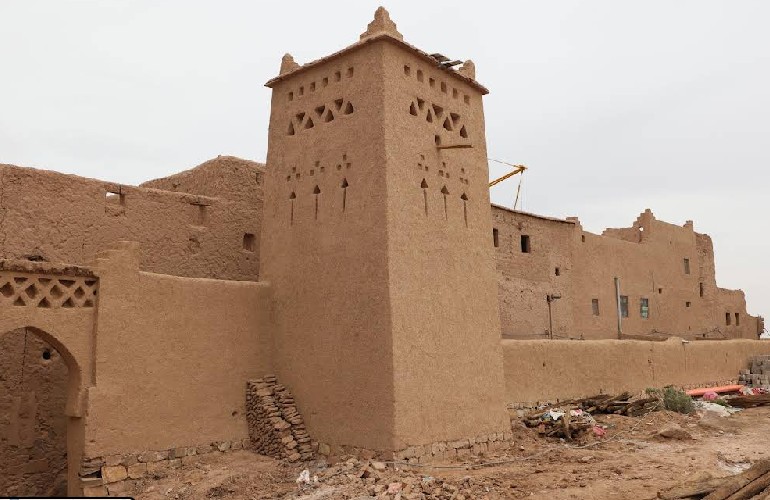
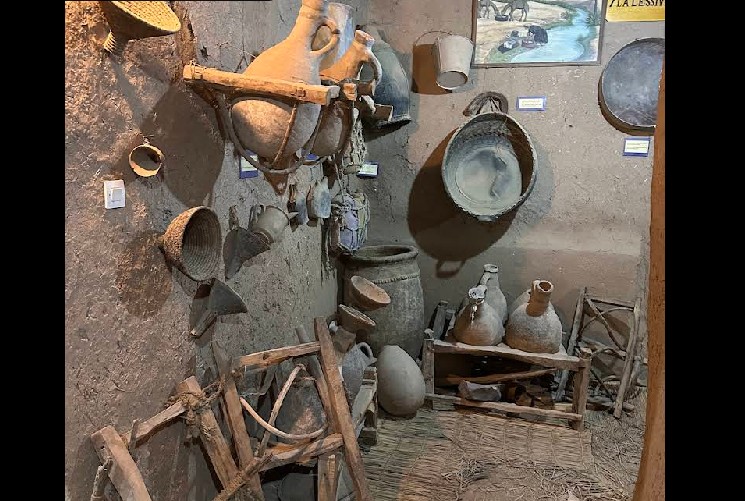
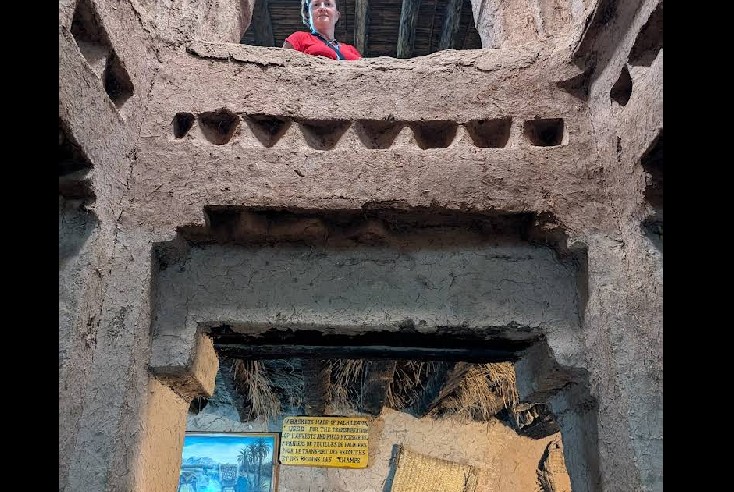
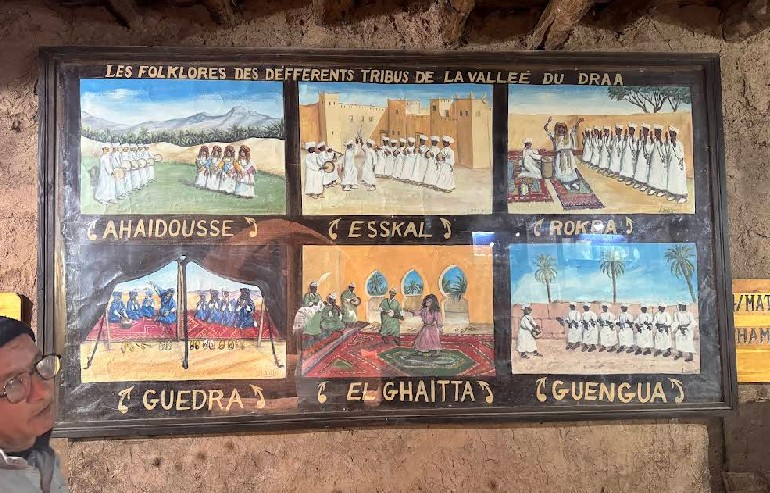

The Musée d’art et de traditions Zagora serves as a profound window into the soul of the Draa Valley, offering an immersive journey through the rich history, artistry, and ancestral customs that define this desert region. Within its walls, you are invited to explore a thoughtfully curated collection of traditional artifacts—from intricate Amazigh jewelry and hand-woven textiles to ancient agricultural tools and historical manuscripts—each telling a unique story of adaptation and beauty in the face of the Saharan environment. This museum is far more than a mere repository of objects; it is a dedicated cultural sanctuary that honors the enduring identity of the local population and educates visitors on the complex, layered heritage that has shaped life in Zagora for centuries. By visiting, you not only gain a deeper, more nuanced understanding of the region’s cultural fabric, but you also directly support the essential preservation efforts that ensure these irreplaceable traditions are safeguarded against the currents of time. A visit to this museum is an indispensable experience for the mindful traveler, fostering a respectful and appreciative connection to the artistic spirit and historical resilience of the Moroccan South, and providing the context necessary to fully appreciate the living landscapes you explore during your desert journey.
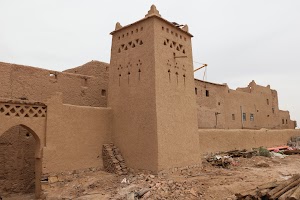





Visiting the Musée d’Art et de Traditions in Zagora is an absolute must for anyone who wants to understand the rich heritage and history of the Draa Valley. This museum offers a beautifully curated glimpse into the daily lives, artistry, and ancestral customs of the region’s people. From stunning traditional jewelry and intricate textiles to antique agricultural tools and historical artifacts, every display tells a story of a culture deeply connected to the desert and the oasis. It is a peaceful, educational, and highly rewarding experience that puts all the landscapes and architecture you see in Zagora into a much deeper context. Areas for improvement: Adding more comprehensive bilingual or trilingual (Arabic, French, English) information cards for each exhibit would be a huge benefit for international visitors trying to learn the history behind the artifacts. Additionally, creating a small ‘Museum Gift Corner’ where visitors can purchase high-quality books or reproductions of the traditional patterns seen in the museum would be a great way to support the institution and allow travelers to take a piece of that history home. Overall, the Musée d’Art et de Traditions is a hidden gem in Zagora. It is an essential stop for history buffs, culture seekers, and anyone looking to experience the true essence of the Moroccan south!
 Own or work here?
Claim Now!
Claim Now!
Own or work here?
Claim Now!
Claim Now!

/ Per Listing
Lorem ipsum dolor sit amet, lorem sit.
/ Per Listing
Lorem ipsum dolor sit amet, lorem sit.
/ Per Listing
Lorem ipsum dolor sit amet, lorem sit.
Claim request is processed after verification..