


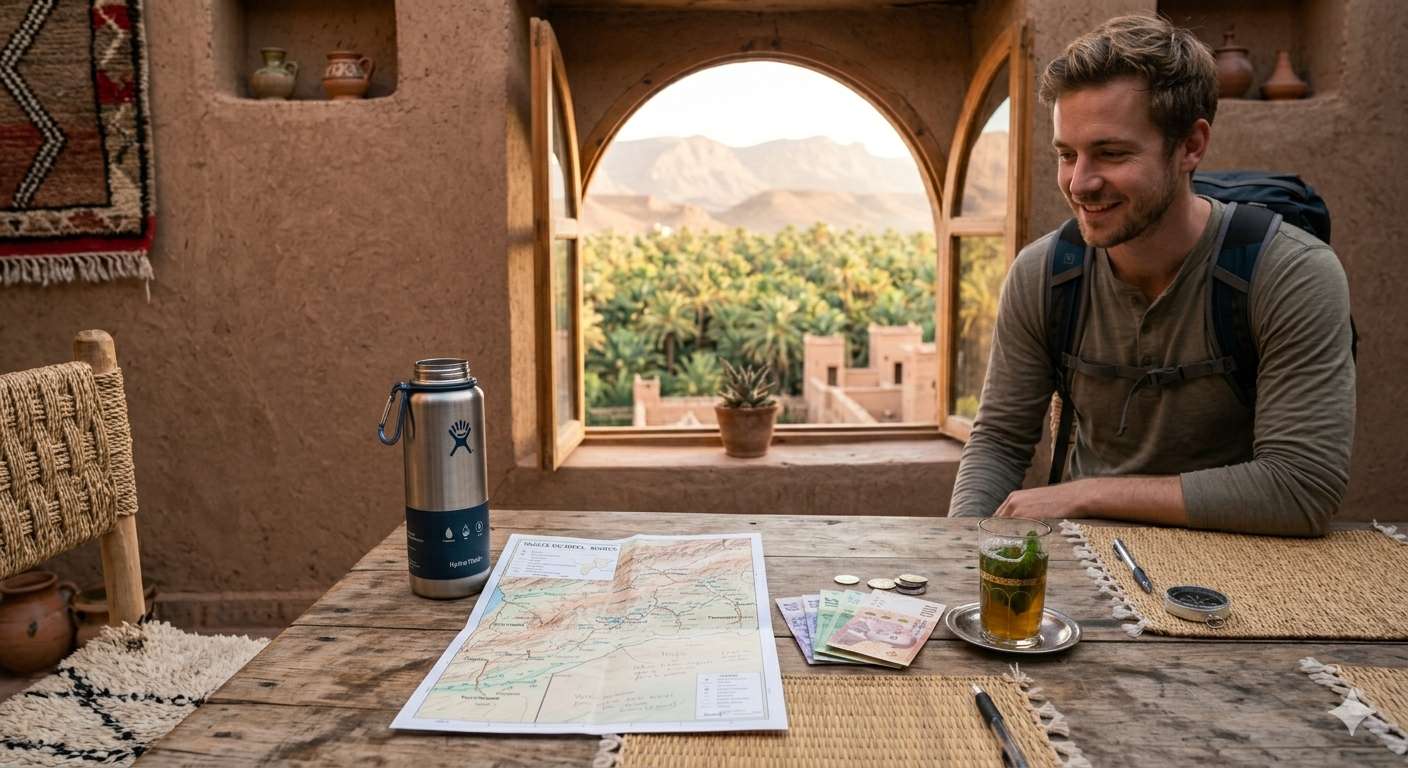
 Planning a journey to remote valleys and unique desert landscapes requires good preparation. In fact, taking the right precautions ensures your safety while minimizing your environmental footprint. Furthermore, mindful travel protects the fragile ecosystems and local heritage that make these places beautiful. Therefore, adopting responsible habits is essential before you even leave your house. Below, you will find practical guidelines to prepare your trip and act respectfully on-site.
In essence, being a well-prepared traveler means anticipating your impact. Consequently, following these steps allows you to enjoy an authentic adventure with peace of mind.
1. Smart Precautions Before You Depart
To begin with, a sustainable journey starts long before you pack your bags. Specifically, making intentional choices during the planning phase sets a positive tone for your entire trip.
Choose the Right Booking Platforms: First, select regional directories that champion authentic local services instead of global corporate chains. As a result, you ensure your money stays within the communities you visit.
Pack Mindfully to Reduce Waste: Secondly, organize your luggage to prevent pollution in rural areas. For instance, pack a reliable multi-use water filtration bottle to actively reduce single-use plastic waste.
Prepare Small Cash Denominations: Moreover, remote villages and independent cooperatives rarely accept credit cards. For this reason, keep plenty of small Moroccan Dirham cash notes on hand to tip small-scale providers directly.
2. Responsible Practices on the Road
Moving on to the transit phase, how you move between destinations deeply affects regional environments. In particular, modern travel can place heavy strains on fragile wilderness zones.
Respect the Natural Landscape: To start, avoid leaving the established roads or driving vehicles over sensitive desert dunes. Instead, follow the guidance of certified local experts who understand the terrain perfectly.
Plan Your Resource Consumption: In addition, keep your essential supplies tightly managed during long transits. This is because small, isolated settlements often lack advanced infrastructure to handle excess tourist waste.
Value the Silence of Nature: Thus, respect the quiet atmosphere of the open country. Ultimately, minimizing noise pollution protects local wildlife and preserves the serene environment for everyone.
3. Essential Precautions Once on Site
In addition to transit safety, your daily actions at the destination must reflect deep cultural and environmental respect. However, navigating local life requires an open mind and humility.
Protect Scarcest Oasis Resources: First, water is the most precious commodity in pre-Saharan regions. Therefore, take shorter showers and turn off taps completely to avoid putting heavy pressure on local groundwater.
Honor Local Community Customs: Next, approach the local lifestyle with genuine curiosity and respect. For example, wearing modest clothing that covers shoulders and knees shows appreciation for regional cultural values.
Interact Ethically with Residents: Finally, always ask for explicit permission before taking photos of local residents or their properties. By doing so, you build a relationship based on mutual trust and hospitality.
Responsible Travel Checklist for MeldanGo Explorers
To sum up, before you head out on your next adventure, use this quick checklist to stay on track:
First, book your accommodations through local directories to support authentic regional families directly.
Second, pack eco-friendly hygiene products to prevent toxic chemicals from entering fragile oasis irrigation systems.
Third, respect active farming plots by never damaging palm trees or blocking traditional water canals.
Finally, take nothing but photos and leave nothing but footprints behind to preserve the land.