


 The Historical Roots of Moroccan Cinema
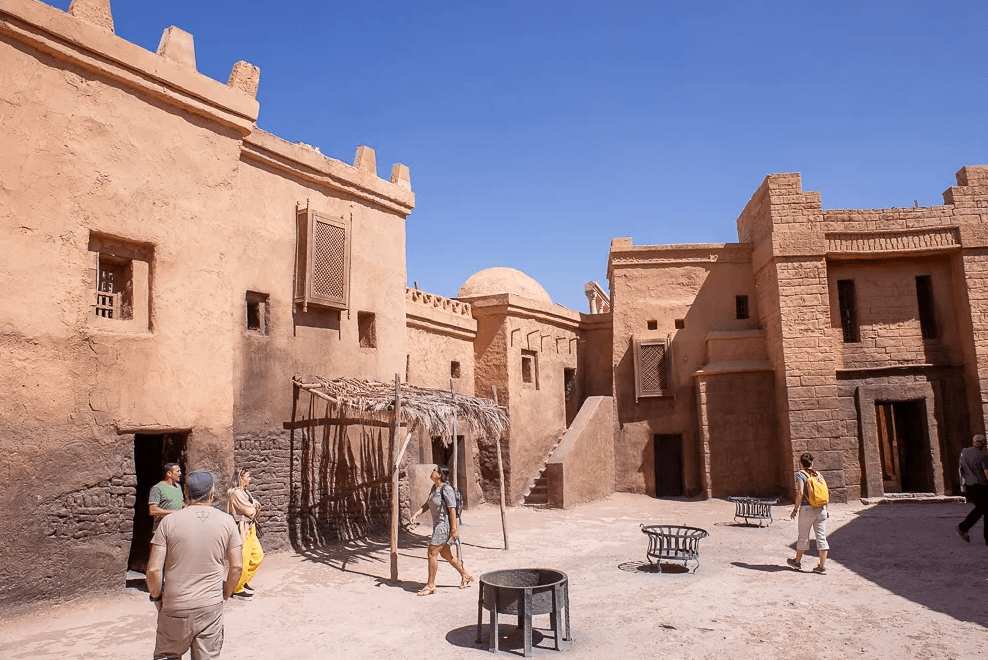
Ouarzazate owes its cinematic prominence to a unique combination of geographic and environmental factors that began drawing international directors as early as the 1960s. The region offers an exceptional quality of natural, high-altitude desert light that provides filmmakers with crisp visuals throughout the day. This reliable sunlight, paired with vast landscapes that can easily mimic ancient scriptural or futuristic worlds, laid the foundation for a permanent industry.
The Evolution of Studio Infrastructure
As international demand grew, the city transitioned from a simple filming location into a highly organized production center with permanent infrastructure. The establishment of Atlas Studios and CLA Studios provided expansive backlots where colossal historical sets could remain standing for future use. These spaces allowed production companies to significantly cut costs by repurposing existing structures rather than building every location from scratch.
Local Craftsmanship and Economic Impact
The survival of Ouarzazate’s film industry relies heavily on an intricate network of local artisans, construction workers, and technical crews. Entire neighborhoods specialize in plasterwork, carpentry, and ancient weapon replication, passing these specialized cinematic skills down through generations. This deep-rooted expertise allows international productions to hire top-tier talent directly within the province, boosting the local economy.
Iconic Productions Filmed in Ouarzazate
- Lawrence of Arabia (1962): The epic historical drama that first put the region’s vast desert topography on the global filmmaking map.
- Gladiator (2000): Utilized the nearby fortified structures and custom-built arenas to recreate ancient Roman provincial settings.
- Kingdom of Heaven (2005): Featured massive, locally constructed replica walls of ancient Jerusalem built entirely from timber and plaster.
- Game of Thrones: Transformed the regional earthen architecture into fantasy cities, drawing thousands of cultural tourists to the area.
 Practical Guidelines for Film Enthusiasts
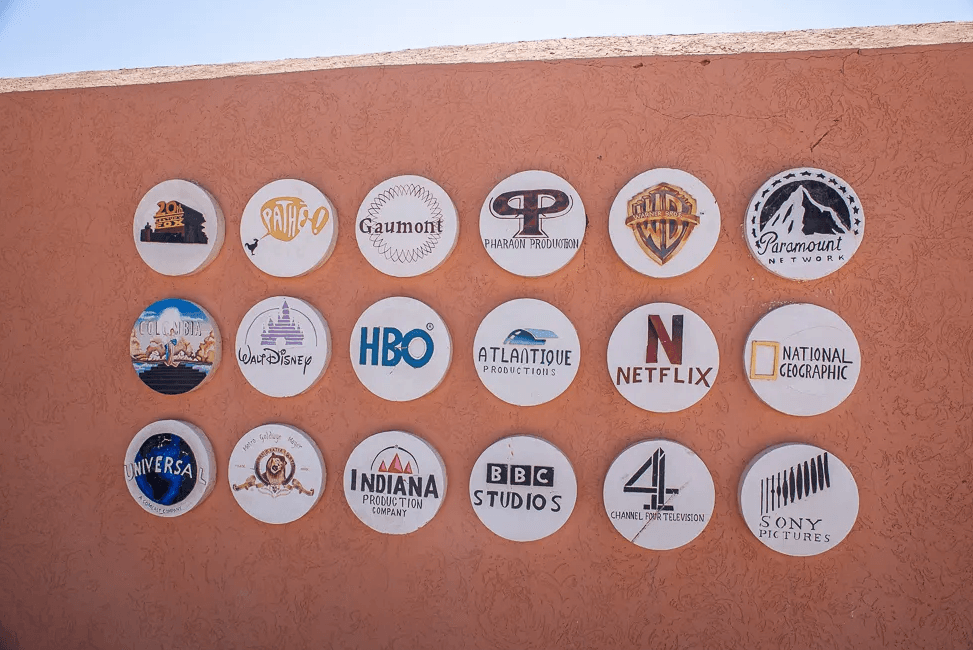
When planning a visit to the studios, independent travelers should aim for early morning hours to avoid both the intense midday heat and the large tour buses. Hiring a local guide at the studio entrance is highly recommended, as they often provide personal anecdotes from working as extras or crew members on major Hollywood sets. Always check production schedules in advance, as certain backlots may be temporarily closed to the public for active filming.